
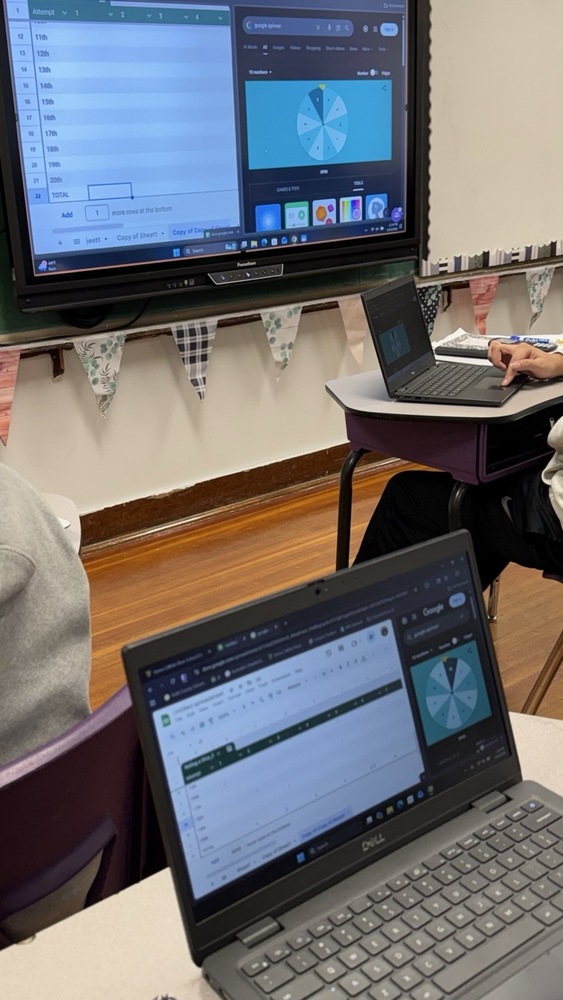
Seventh grade students recently took their probability lesson beyond the textbook by engaging in fun and interactive experiments. To better understand experimental probability, students rolled dice, tossed coins, and randomly picked numbers while recording and analyzing the results.
Through these simple activities, learners observed how outcomes can vary and how probability works in real situations. By comparing their experimental results with theoretical probability, students gained a clearer understanding of why probability is useful in everyday life—such as in games, decision-making, and predicting outcomes.
This hands-on approach not only made the lesson more engaging but also helped students develop critical thinking and data-analysis skills. Overall, the activity showed that learning math can be both meaningful and enjoyable when students are actively involved.